A Foretaste of the Nations: the World Cup, the Nation’s, and the Coming Kingdom
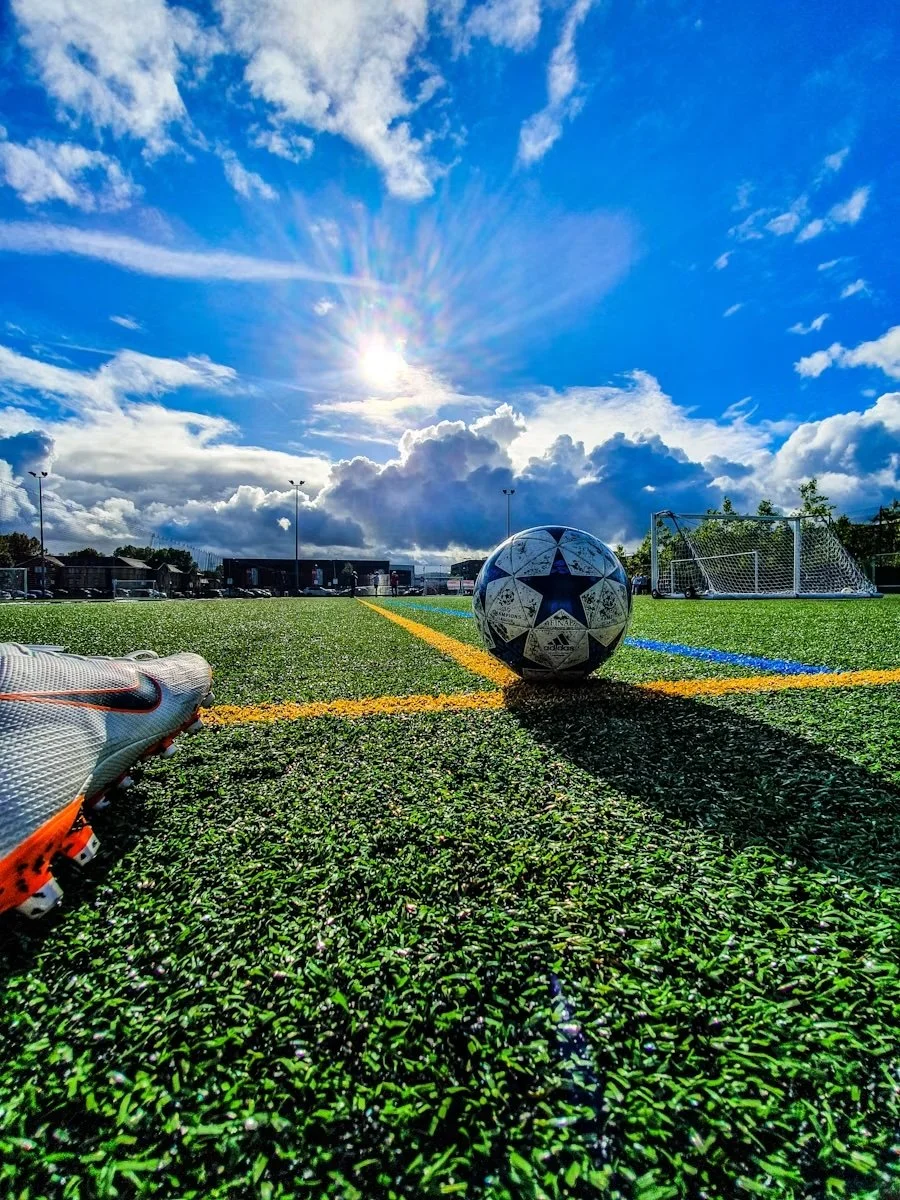
Photo courtesy of Jason Clark on Unsplash
A Missiological Snapshot from the Vantage Point of Demographics is meant to pique our attention, to give us eyes to see each other, and to prompt us to engage with people who are different from us. In this week’s freeform addendum, Jason Hensley, my friend and colleague, reflects on the significance of the World Cup and the phenomenon of this shared, global experience.
One of the most remarkable events on earth is not a political summit, a military parade, or an economic conference.
It is the World Cup.
Every four years the nations gather. People cross oceans, spend fortunes, fill airports, trains, streets, and stadiums. They paint their faces, wave their flags, sing their songs, and proudly wear the colors of their homeland.
At first glance it appears to be about soccer.
But it is not really about soccer.
The game simply provides the stage.
The real story is the people.
People from every tribe, tongue, nation, and culture gathering together and joyfully displaying who they are.
The World Cup reminds us of something modern people often forget:
Human beings were created for culture.
In Genesis 1, God blessed humanity and said, "Be fruitful and increase in number; fill the earth and subdue it."
This was never merely a command to reproduce biologically.
It was a commission to cultivate.
To take the raw materials of creation and develop them.
To create music.
To create art.
To create architecture.
To create cuisine.
To create traditions.
To create language.
To create communities.
To create ways of living that reflected the goodness of God.
God did not intend humanity to become one giant, indistinguishable mass. He intended a world filled with diversity and beauty.
Different peoples.
Different lands.
Different stories.
Different expressions of the same image-bearing humanity.
The nations were meant to become gardens of cultural creativity.
Places where communities would develop the possibilities hidden within God's creation and then share those gifts with one another.
The food of one people.
The music of another.
The clothing of another.
The stories of another.
The wisdom of another.
Each contributing something unique to the human family. This is why events like the World Cup capture our imagination. For a brief moment we experience something beautiful.
We see Brazilians celebrating beside Japanese supporters.
Mexicans singing alongside Germans.
Africans, Europeans, Asians, North Americans, and South Americans gathered in one place.
Distinct.
Different.
Yet sharing a common human experience.
For a moment we glimpse what humanity was always supposed to be.
But we also know something is wrong. Because sin entered the story. Humanity took God's gift of culture and turned it inward.
Instead of celebrating difference, we weaponized it.
Instead of stewarding creation, we sought domination.
Instead of exchanging gifts, we fought over resources.
Instead of loving our neighbors, we feared them.
National identity became nationalism.
Patriotism became idolatry.
Borders became battle lines.
Culture became a tool of exclusion.
The nations that were meant to enrich one another became competitors for power, wealth, and control. The story of Babel shows us what happens when humanity seeks unity apart from God.
We build monuments to ourselves.
We turn diversity into division.
We create what Augustine called the earthly city—a society organized around the love of self rather than the love of God.
And yet God has never abandoned His purpose.
Throughout Scripture He promises not the destruction of the nations, but their healing.
The prophets envision the nations streaming to the mountain of the Lord.
The Psalms call the nations to praise God.
At Pentecost people from every language hear the mighty works of God proclaimed in their own tongue.
And in Revelation the final vision is not of one culture replacing all others.
It is of every tribe, language, people, and nation gathered before the throne of the Lamb.
The nations are not erased.
They are redeemed.
Their glory is brought into the New Jerusalem.
Their treasures are carried into the Kingdom.
Their distinctiveness remains, purified from sin and offered back to God in worship. This is why moments like the World Cup move us so deeply. Not because they are perfect.
They are not.
Even there we find pride, greed, corruption, and conflict.
But beneath all of that, we catch glimpses of something older than sin and newer than tomorrow.
We see echoes of Eden.
We see hints of Revelation.
We see signs that humanity was created for joyful diversity under the lordship of God.
Every flag waving in celebration rather than conquest.
Every language spoken in joy rather than hostility.
Every culture contributing its gifts to the common feast.
These are not the Kingdom itself.
But they point toward it.
They are cracks through which the light shines.
Reminders that Christ is not merely saving individual souls.
He is reconciling all things.
He is healing humanity.
He is restoring the nations.
And one day the King will return.
The stadiums will fall silent.
The trophies will gather dust.
The flags will be folded away.
But the redeemed nations will still stand.
People from every culture and every corner of the earth gathered around the throne of Jesus Christ.
And there, finally, the nations will become what they were always meant to be:
A symphony of redeemed cultures singing together the praise of the Creator.
Not divided.
Not competing.
Not conquering.
But united in Christ.
The world will become a great feast of nations.
And the King Himself will sit at the head of the table.